

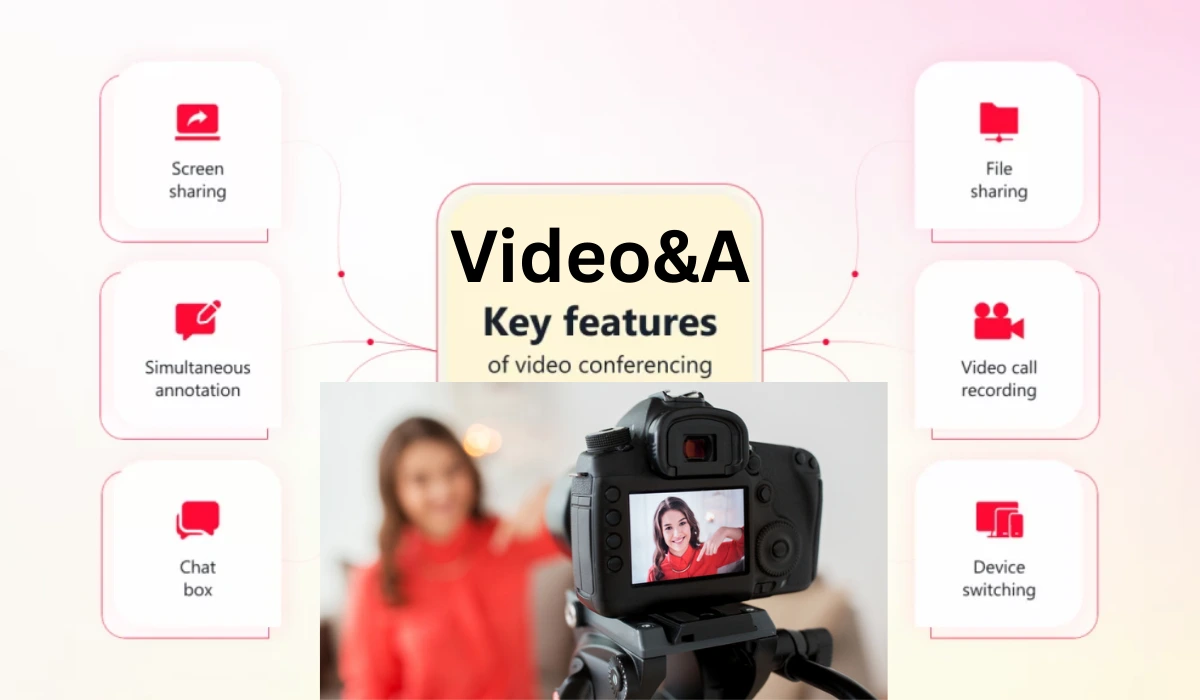
Digital content consumption has shifted dramatically from passive viewing to active participation. Video&A, an innovative format combining video content with interactive question-and-answer capabilities, represents this evolution in how audiences engage with information online.
What Is Video&A?
Video&A merges video content with real-time or embedded question-and-answer sessions. Unlike traditional videos where viewers passively watch, this format invites direct participation through questions, polls, and interactive elements. The ampersand in Video&A signifies the connection between video delivery and audience interaction, creating a two-way communication channel.
This approach has gained traction across social platforms, with features like Instagram’s Q&A stickers and TikTok’s “Reply with Video” function demonstrating mainstream adoption of the concept.
How Video&A Functions
The format operates through three primary delivery methods:
Live Interactive Sessions: Hosts conduct real-time broadcasts where audiences submit questions and receive immediate video responses. This approach dominates webinars, product launches, and educational lectures where instant feedback creates authentic engagement.
Pre-Recorded Interactive Videos: Creators embed clickable elements, polls, and question prompts within recorded content. Viewers can interact with these elements at their own pace, making the experience both scalable and personalized.
AI-Powered Video Responses: Advanced platforms now generate automated video answers using AI avatars or scripted narration, enabling businesses to respond to thousands of queries efficiently while maintaining a personal touch.
Primary Applications Across Industries
Marketing and Brand Engagement: Companies leverage Video&A for product demonstrations where viewers can ask specific questions about features, usage, or compatibility. This transparency builds trust and often converts viewers into customers more effectively than traditional advertising.
Education and E-Learning: Teachers embed quizzes directly into video lectures, providing instant feedback while tracking which topics require additional clarification. Students can submit questions during recorded sessions, with instructors responding asynchronously across different time zones.
Customer Support: Businesses create video FAQ libraries addressing common questions with 30-60 second visual responses. These clips replace lengthy text-based support articles and reduce the volume of repetitive customer service inquiries.
Content Creation: Social media creators use Video&A to strengthen community connections by personally responding to follower questions, making their audience feel valued and heard.
Key Benefits Driving Adoption
Video&A delivers measurable advantages over traditional content formats:
Research indicates interactive elements like polls and Q&A sessions boost engagement by approximately eight times compared to passive content. Viewers stay longer when they actively participate rather than simply watch.
The format provides immediate, actionable feedback about audience interests, concerns, and preferences. This data helps businesses refine products and content strategies based on actual user input.
Video responses feel more personal and authentic than text replies. Seeing and hearing a real person creates stronger emotional connections and builds brand trust.
Organizations save costs by conducting virtual events that reach larger audiences without venue or travel expenses, while the recorded sessions provide ongoing value.
Video&A vs. Traditional Formats
Comparing Video&A with older communication methods highlights its advantages:
Traditional text-based Q&A forums lack visual demonstration and emotional connection. While scalable, they feel impersonal and often fail to fully explain complex topics.
Standard video content delivers polished presentations but offers no mechanism for viewer questions or feedback, creating a one-sided experience.
Live events provide face-to-face interaction but have limited reach and high costs. Video&A combines the personal touch of live events with the scalability of digital distribution.
Technical Tools and Platforms
Several platforms facilitate Video&A implementation:
Social media platforms like Instagram, TikTok, and YouTube have built-in features for basic interactive video, including question stickers and live chat functionality that requires no special equipment.
For more sophisticated applications, specialized tools like Slido, Mentimeter, and Hopin enable embedding Q&A into recorded sessions, AI-powered question moderation, and detailed analytics tracking.
AI video generation platforms can now create personalized video responses at scale, incorporating viewer names and tailoring answers based on past interactions.
Current Challenges and Considerations
Despite its benefits, Video&A presents certain obstacles:
Production Time: Creating multiple question-answer videos manually demands significant time investment. Efficient workflows and batch recording help manage output.
Technical Requirements: Not all platforms readily support embedded interactivity or AI generation tools. Feature availability varies by hosting platform.
Content Freshness: Repetitive responses reduce viewer interest. Varying question types, depth, and format maintains engagement.
Moderation Needs: Live or open-submission formats require filtering to prevent spam, inappropriate content, or off-topic questions.
Emerging Trends for 2025
Several developments are reshaping Video&A capabilities:
Artificial intelligence enables dynamic content that responds to user queries in real-time, creating highly personalized experiences without manual intervention.
Augmented and virtual reality integration allows participants to interact with three-dimensional product models while asking questions, creating immersive shopping experiences.
Automatic translation powered by AI will enable global participants to engage across language barriers, expanding reach for international businesses.
Gamification elements including points, badges, and leaderboards encourage participation and reward engaged viewers.
Best Practices for Implementation
Organizations implementing Video&A achieve better results by following established guidelines:
Keep responses between 30-90 seconds for quick, digestible answers. Shorter videos respect viewer attention spans while delivering value efficiently.
Invest in basic quality improvements like ring lights and external microphones. Professional presentation enhances credibility even with simple setups.
Add captions to make videos accessible for viewers watching without sound and those with hearing impairments. This dramatically increases reach.
Encourage ongoing interaction by ending videos with calls to action, inviting additional questions or prompting viewers to share content.
Measuring Success
Video&A provides detailed metrics unavailable with traditional formats:
Track viewer retention rates, click-through rates on embedded elements, question response rates, and completion percentages. This data reveals which topics resonate most strongly with audiences.
Analytics also identify drop-off points where viewers lose interest, enabling content optimization for future sessions.
Is Video&A Right for Your Needs?
Video&A suits organizations and creators prioritizing authentic audience connections over simple content distribution. The format works particularly well when:
- ): Complex topics benefit from visual demonstration rather than text explanation
- ): Building community through personal interaction matters to brand strategy
- ): Feedback collection needs to happen naturally within content rather than through separate surveys
- ): Customer service volume could decrease through comprehensive video FAQ libraries
Businesses focused purely on reach without engagement may find traditional video more efficient. However, most organizations benefit from incorporating at least some Video&A elements into their content strategy.
The Future of Interactive Communication
Video&A represents more than a temporary trend in digital content. As attention spans shorten and audiences demand personalization, formats enabling active participation rather than passive consumption will continue gaining prominence.
The integration of AI, AR, and VR technologies will make Video&A experiences even more immersive and responsive. Organizations adopting these interactive approaches now position themselves ahead of competitors still relying on one-directional content strategies.
In an increasingly crowded digital landscape, Video&A offers a way to stand out by transforming viewers into participants and building genuine connections that drive long-term engagement and loyalty.